Let’s be real: old-school “add the keyword 25 times and hope for the best” SEO is dead.
The Ben Stace Semantic SEO Writing Tool exists because Google stopped rewarding shallow, repetitive content and started favoring pages that actually understand a topic and user intent. If you want to rank today, you need semantic SEO, topic depth, and content that reads like a real human actually tried to help.
In this guide, I’ll walk you through exactly how to use the Ben Stace Semantic SEO Writing Tool the way a serious agency would, and how The Node Blox, based in Sterling, VA and serving Northern Virginia and the DMV, would plug it into a full system: content strategy, technical SEO, local SEO, and AI visibility.
If you want to rank for competitive terms, grow authority, and get AI referred traffic, keep reading.
Call (202) 400-0428 or request your free estimate today.
What Is The Ben Stace Semantic SEO Writing Tool
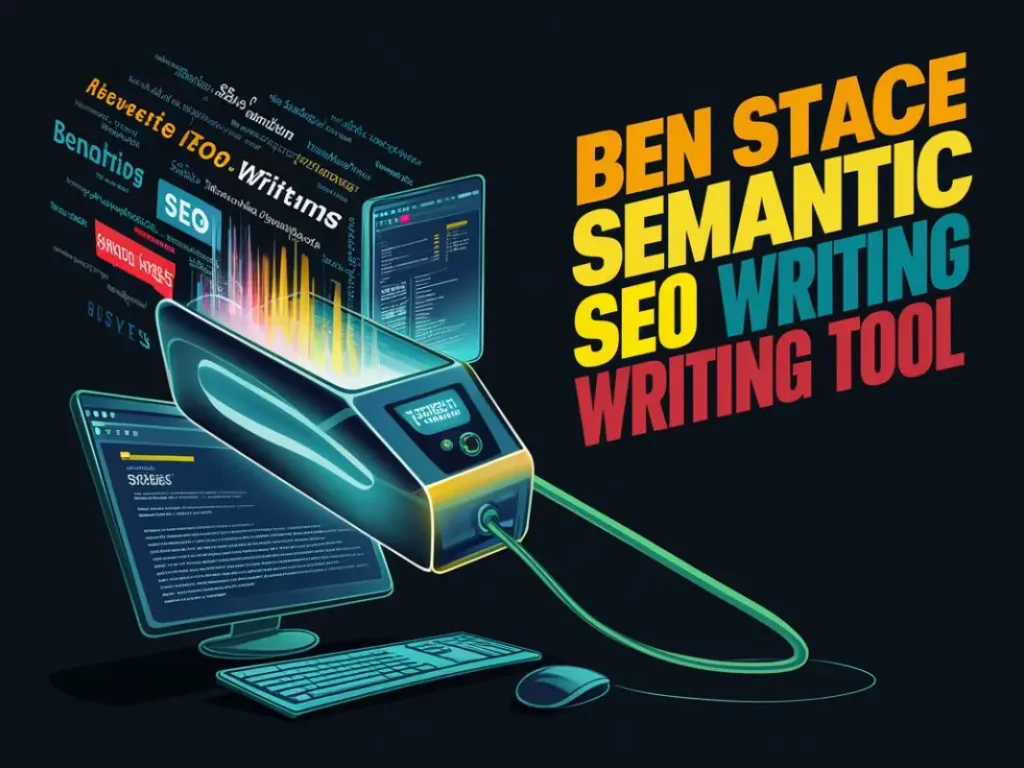
The Ben Stace Semantic SEO Writing Tool is an AI-driven content optimization platform built around semantic SEO. Instead of just counting how many times you used a phrase, it:
- Analyzes the top pages for your target keyword
- Finds related topics, entities, and supporting phrases
- Helps you spot content gaps and missed angles
- Suggests outlines and semantic terms you should include
- Scores your content as you write and refine it
In other words, it helps you write content the way Google wants to rank it: as a complete, coherent treatment of a topic, not a hacked-together word salad.
For agencies like The Node Blox working with local and national clients in Sterling, Northern Virginia, and the DMV, it becomes a core part of how we plan and build content that can compete against bigger brands.
What Is Semantic SEO (And Why You Should Care)
Semantic SEO is the practice of optimizing for meaning and relationships, not just exact keywords.
If someone searches for “roof repair cost in Virginia,” they do not just want a single price. They might want:
- Cost ranges
- Factors that change the price
- Insurance questions
- Timeline
- Signs they really need a repair
- Local context about Virginia weather and building codes
Semantic SEO tells you: cover those angles. Be the page that has the complete conversation about that topic.
Also Read: Semantic SEO Agency: How Context-First Optimization Outperforms Keywords
Google now uses natural language understanding to look for:
- Topical depth: Did you actually explore the topic or just skim it
- Entity relationships: Are you connecting the right ideas and terms together
- Search intent: Does your content match what the user meant, not just what they typed
- Clarity and structure: Can a machine and a human both follow it easily
The Ben Stace Semantic SEO Writing Tool helps you align with that by turning SERP data into something you can actually act on while writing.
Why Old Keyword-Only SEO Is Not Enough
Here is why traditional “just hit the keyword density” SEO fails now:
- Keyword stuffing looks fake. Readers bounce. Google notices.
- Thin coverage. You only talk about one angle and ignore everything else users care about.
- No topical authority. You never become “the resource” on a subject, just another page.
- Zero-click world. AI answers and overviews use the best structured, most complete content. If your page is weak, they skip you.
- Too easy to copy. Anyone can dump a list of keywords; almost nobody takes the time to build a real topic map.
Semantic SEO flips that. Instead of asking, “How often should I repeat this phrase,” you ask, “What would a truly helpful, comprehensive resource look like, and how do I structure it so Google can read that clearly?”
The Ben Stace Semantic SEO Writing Tool is built to answer that question.
Key Features Of The Ben Stace Semantic SEO Writing Tool
You do not need to memorize every menu, but you should understand the core features and how they support rankings and AI visibility.
Competitive and SERP Analysis
The tool analyzes the top results for your keyword and surfaces:
- Common subtopics across those pages
- Semantic phrases and entities that appear again and again
- Structural patterns (what headings, what order, what depth)
This is what lets you see what “comprehensive” actually looks like in your space.
Topic and Semantic Term Suggestions
Instead of just feeding you a flat list of keywords, it suggests:
- Related concepts and clusters
- Supporting phrases and synonyms
- Questions people are likely to ask next
You use these suggestions to deepen your coverage and avoid repeating the same wording.
Content Outline Support
The Ben Stace Semantic SEO Writing Tool helps you shape:
- H2/H3 structures that match user intent
- Logical flow from one subtopic to the next
- Where to place definitions, examples, FAQs, and summaries
This supports both readers and search engines.
Live Optimization And Scoring
As you write, the tool:
- Scores the semantic coverage of your content
- Flags missing concepts
- Highlights overuse of certain terms
- Suggests where you can add or refine sections
You stay aligned with semantic SEO best practices without turning your article into a robotic mess.
How The Node Blox Uses The Ben Stace Semantic SEO Writing Tool
Anyone can open a tool. Not everyone uses it like an agency.
Here is how The Node Blox would use the Ben Stace Semantic SEO Writing Tool for a client in Sterling, Northern Virginia, or anywhere in the DMV.
Step 1: Strategy First, Tool Second
Before we touch any interface, we clarify:
- Business goals
- Revenue-driving services or products
- Target cities and regions
- Ideal customer profiles
- Existing content assets
This is where SEO strategy connects with your digital marketing, web development, app development, and social media marketing efforts. The tool should amplify a system, not replace a plan.
Step 2: Build Topic Clusters And Map Keywords
We identify:
- Core topics (for example, “roofing services,” “family law,” “ecommerce SEO,” “AI tools for businesses”)
- Supporting content ideas (guides, FAQs, comparisons, process explainers)
- Local and commercial intent terms for your region (Sterling, Fairfax, Arlington, Ashburn, Alexandria, Leesburg, broader Northern Virginia)
Then we pick a seed keyword for each piece and run it through the Ben Stace Semantic SEO Writing Tool.
Step 3: Run Semantic Analysis And Design The Outline
The tool shows:
- Which subtopics top pages always cover
- Which semantic phrases keep showing up
- Where competitors are shallow or missing angles
We then build a structure like:
- Definition block
- Why it matters now
- Key use cases
- Step-by-step workflow
- Mistakes and myths
- Tools and comparisons
- FAQs and final takeaway
That is how this article you are reading is structured.
Step 4: Write With Semantic Signals, Not Spam
While writing, we:
- Naturally incorporate semantic terms surfaced by the tool
- Use short, extractable blocks for definitions and FAQs
- Add real-world examples and patterns from client projects
- Tie sections back to your key services and locations
The Ben Stace Semantic SEO Writing Tool watches our coverage while we make sure the final piece still sounds like a real human from your brand wrote it.
Step 5: On-Page SEO And Internal Linking
Once the draft is solid, we:
- Refine the SEO title and meta description with the main term
- Ensure H2/H3 headings include variants like “Ben Stace Semantic SEO Writing Tool” and “semantic SEO writing tool” where natural
- Add internal links to your core service pages like digital marketing, SEO strategy, web development, app development, and social media marketing
- Add schema (Article and FAQ), clean URLs, alt text, and consistent design
Now your content is ready to rank and ready to be understood by AI systems.
Use Cases: Who Actually Wins With The Ben Stace Semantic SEO Writing Tool
The tool can help almost any website, but here are the big winners we see when we implement it at The Node Blox.
Local Service Businesses In Sterling And Northern Virginia
Think:
- Contractors
- Home services
- Law firms
- Auto businesses
- Medical and wellness practices
The semantic SEO writing tool helps you:
- Cover all the angles around each service (problems, process, cost, risks, timelines, local rules)
- Build content clusters per city or service area
- Align your website language with how real people in the DMV search
Combine that with strong local SEO and your Google Business Profile and you start to dominate local search around your niche.
B2B And SaaS Companies
Complex products need clarity.
Here, the Ben Stace Semantic SEO Writing Tool helps you:
- Break down a product into use cases, integrations, and industries
- Turn feature pages into complete explanations of problems and outcomes
- Build content clusters around specific buyer journeys
You rank not just for your product name but for all the “how to solve this” searches tied to it.
Ecommerce And Niche Online Stores
For ecommerce, semantic SEO transforms:
- Category pages into buyer guides
- Blog posts into topic hubs that support product discovery
- Long-tail search content into consistent, compounding traffic
The tool ensures you are not missing critical questions or comparisons buyers expect before clicking “add to cart.”
How The Ben Stace Semantic SEO Writing Tool Compares To Other Tools
You might be wondering how this compares to tools like Surfer, Frase, or Clearscope.
The short version:
- Many tools do some version of semantic suggestion and SERP analysis.
- The Ben Stace Semantic SEO Writing Tool is built with a clear focus on semantic depth, topic coverage, and practical writing workflows.
- It fits well into an agency environment where content, technical SEO, and local SEO all need to line up.
At The Node Blox, we treat it as one part of a full stack that also includes analytics, technical audits, keyword research platforms, and our own frameworks.
Common Mistakes People Make With Semantic SEO Writing Tools
If you want your work with the Ben Stace Semantic SEO Writing Tool to pay off, avoid these traps:
- Treating suggestions like a checklist.
If you try to force every term in, you end up with awkward content and hurt your chances. - Ignoring search intent.
Semantic coverage means nothing if you mismatch the user’s reason for searching. - Writing once, never updating.
Semantic landscapes shift. You need to revisit and refresh content. - No internal linking strategy.
Even perfect pages struggle if they are isolated. You need a content cluster with logical links. - Skipping human editing.
Tools assist. Humans lead. Fact check. Smooth the language. Keep the brand voice consistent. - Thinking the tool replaces SEO strategy.
It does not. It magnifies a good plan and exposes a bad one.
How To Decide If The Ben Stace Semantic SEO Writing Tool Is Right For You
Ask yourself:
- Do you publish enough content for semantic SEO to matter
- Do you have at least some SEO strategy in place already
- Can your web development team actually implement structural and technical fixes
- Do you have someone who can edit AI-assisted drafts into high quality, on-brand content
- Is your market competitive enough that topic depth and authority will move the needle
If you are a business in Sterling, Northern Virginia, or the wider DMV and you are serious about ranking and building authority, then yes, it is worth putting a semantic SEO writing tool like this into your stack.
If you do not want to own the process yourself, that is where The Node Blox comes in.

FAQ: Ben Stace Semantic SEO Writing Tool
Is the Ben Stace Semantic SEO Writing Tool beginner friendly
Yes. You can start with simple outlines and suggestions. The more you understand SEO, the more you can get out of it.
Does the Ben Stace Semantic SEO Writing Tool replace keyword research tools
No. You still need keyword research to find the right opportunities. This tool helps you write better content once you know what you are targeting.
Can it help with local SEO in Sterling and Northern Virginia
Absolutely. It helps you build topic clusters around local services, which supports your map rankings and organic visibility.
Will semantic SEO replace traditional SEO
Semantic SEO is the modern version of SEO. You still care about titles, meta tags, load speed, and links, but now you must also care about depth, entities, and intent.
Do I need an agency to use it
You can use it on your own. But agencies like The Node Blox can wire it into your full digital marketing, SEO strategy, web development, app development, and social media marketing efforts so it produces faster, more reliable results.
Final Take: Tools Help, Systems Win
The Ben Stace Semantic SEO Writing Tool is powerful. It makes it easier to write content that Google and AI systems actually want to rank. It pushes you toward depth, clarity, and genuine usefulness.
But it is still only a tool.
What wins long term is a system: a clear strategy, a fast and clean website, a consistent content engine, smart internal linking, and marketing channels that all point in the same direction. See us on LinkedIn & Instagram.
If you want help turning semantic SEO and tools like the Ben Stace Semantic SEO Writing Tool into real traffic, rankings, and leads, The Node Blox can handle that. We build semantic-driven SEO systems for businesses in Sterling, Northern Virginia, and across the DMV that are built to win now and keep winning as search evolves.